
Fashion forecasting has been around many decades, moreover, it was not always described in such a term (Rousso and Ostroff, 2018). Back in the 1910s, manufacturers to navigate retailers for seasonal trends used colour cards; those can be found at the Fashion Institute of Technology Library at New York. Since these were directing what the retailers should buy and what is trendy, therefore, has been seen as a very early form of the fashion trends forecasting.

A color card from The Textile Color Card Association of the U.S. Inc. shows the color forecast for the 1918 Fall Season.
Later, in 1927 trend reports were developed, such as “the Tobe Report” (Rousso and Ostroff, 2018, pp.2-27) showing for retailers and consumer’s apparel and accessories, which were on-trend or bestsellers. After the Second World ended, different forecasting services were developed to the level that could help in design, production and selling of fashionable goods. Forecasting services provide a wide range of information on colour, textile and silhouette direction. Forecasting was integrated into various types of firms like trade organizations or buying services to provide support for manufacturers and retailers. At the end of the 1970s, companies that were providing forecasting started to develop and become experts. Eventually by the 1990s, thanks for the Internet; some service was able to provide printed trend books and online trend presentations (Rousso and Ostroff, 2018, pp.2-27). However, the fashion industry was slow in adapting to the Internet, in particular, of forecasting. Wholesalers, retailers and other users wanted to see the colour and have the touchable experience of feeling the fabric. Due to this reason, forecasters continued to make traditional hard copy mood, colour and textile boards, which in fact many still do today.
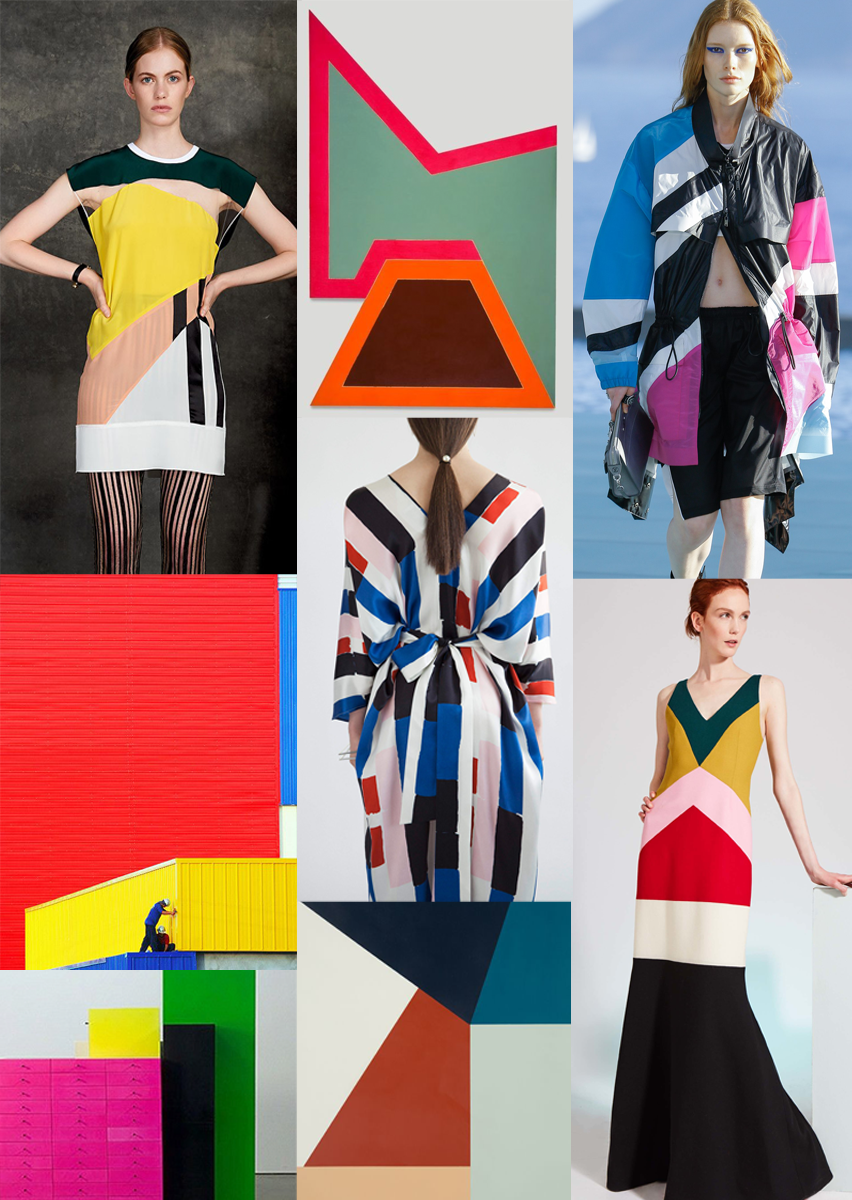
Today there is an abundance of trend forecasting services that provide a number of products and services. They vary from companies that create and send regular digital newsletters, others create macro and micro trend forecasts or trend reports or customised forecasts for different clientele from fashion and non-fashion industries.

Additionally, over the past decade there has been the continuous rise of big data analysis services that take a look at business trends such as current foot traffic, selling, viewing, and promotional patterns, all of which quantitative form of forecasting. According to WGSN: Trend Forecasters (2014), today’s fashion industry works at incredible speed. Due to that reason forecasting future trend is a complex process that involves a mixture of “maths & magic, “data & intelligence” to anticipate future trends (WGSN, 2014). In other words, the ideal method of fashion forecasting must consist of scientific and artistic or creative methods. According to Rousso and Ostroff (2018), successful forecasting depends on latest information and sensitivity to the ever-shifting desires of fashion consumers.
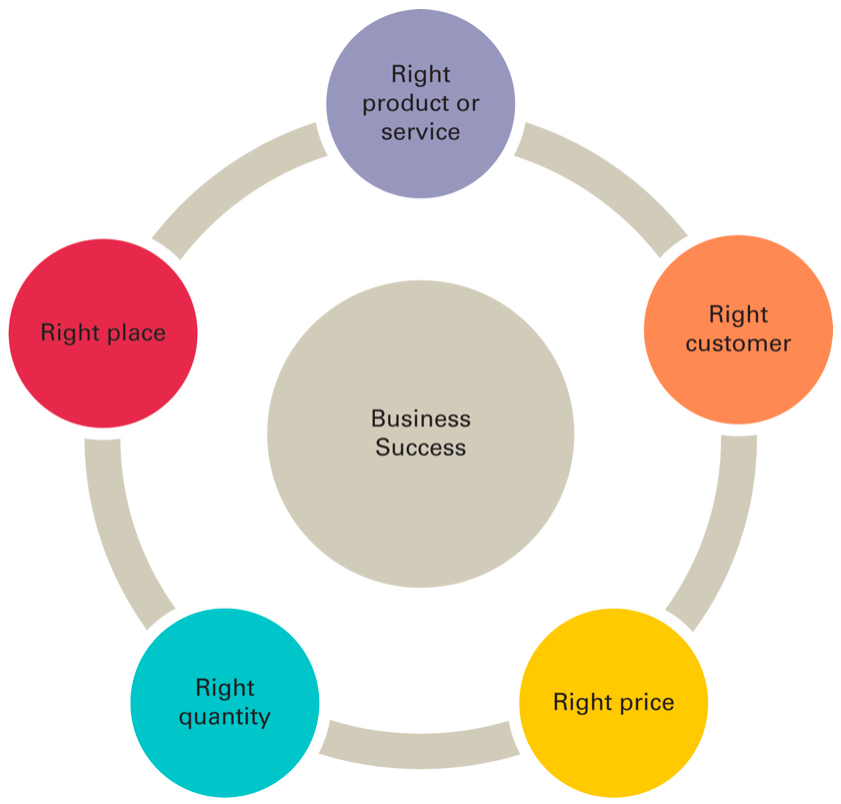
The secret to a successful fashion business is to have the five R’s: right product, right customer, right price, right quantity, and right place.
By knowing and understanding the consumer, fashion companies can deliver the right products or services to the market at the right time and the right place, in the quantities for the right customer. The product or service, time, place, quantity and customer are the five elements, all of which crucial for business success. Forecasting companies such as WGSN or Trend Union or Doneger Creative Services, to name a few, helps different types of businesses to stay informed about consumer shifts, industry changes and drivers, technology and innovations to differentiate its products and stay competitive in the market.
References:
Brannon, E.L. and Divita,L., 2015. One: Forecasting Frameworks [e-Book]. 4thed. London: Bloomsbury Publishing. Available via: Bloomsbury Fashion Central [Accessed on 5 March 2019].
Rousso, C. and Ostroff, N.K., 2018. Fashion Forward: A Guide to fashion Forecasting [e-Book]. 2nded. London : Bloomsbury Publishing. Available via: NTU Library OneSearch [Accessed on 5 March 2019].
WGSN, 2014. WGSN: Trend Forecasting. Youtube.com. Available at: https://www.youtube.com/watch?v=nNWFn1rcNG8[Accessed on 5 March 2019].
 FASHION